Would you like to switch to the accessible version of this site?

Go to accessible site Close modal window

Don't need the accessible version of this site?

Hide the accessibility button Close modal window
Accessibility View Close toolbar
Menu
  • Home
  • Patient Center
    • Online Forms
    • Veterinary Resources
  • About Us
    • What To Expect
    • Meet Our Doctors
    • Payment Options
  • Services
    • Dental Care
    • Flea & Tick Prevention
    • Heartworm
    • Spay & Neuter
    • Vaccinations; Why We Give them
    • Weight Management
  • Contact Us
  • Sitemap
  • Veterinary Topics
    • Pet Health
      • Chronic Conditions
      • Digestive and Oral Health
      • Diseases and Viruses
      • Pests and Parasites
      • Orthopedics
    • Today's Veterinarian
    • Choosing Your Pet
      • Finding Your Pet
      • Cats
      • Dogs
      • Exotics
        • Amphibians
        • Birds
        • Reptiles
          • Lizards
          • Turtles
      • Small Mammals
        • Ferrets
        • Rabbits
        • Domesticated Animals
          • Prairie Dogs
        • Pocket Pets
          • Chinchillas
          • Guinea Pigs
          • Hamsters
          • Hedgehogs
          • Rats
      • Livestock
        • Cows
        • Donkeys, Horses & Mules
        • Goats
        • Pigs
        • Poultry
        • Sheep
    • Living With Your Pet
      • Bringing Your Pet Home
      • Children and Pets
      • Providing Care
      • Travel
      • Saying Goodbye
    • Newsletter Library
      • Cats
      • Tips for Pet Owners
      • Behavior & Training
      • Fleas & Parasites
      • Keeping Pets Healthy
      • Recognizing Illness
      • Nutrition & Food
      • Pet Dangers
      • Seasonal Topics
      • Visiting the Vet
      • Equine
      • Newsletter Archive
        • Fun with Pets
        • Unbelievable Pets
    • Video Newsroom
      • Health Topics
      • Technology and Science
      • Other Interests
    • Newsletter Library
    • Client Survey
    • Pets4Kids
  • Online Store
    • Pharmacy Policy

10534 W. Ustick Rd...

Boise, ID 83704 USA

(208) 323-1210

  • Home >
  • Articles >
  • Newsletter Library >
  • January Newsletter: National Bird Day

January Newsletter: National Bird Day

  • Created in Newsletter Library

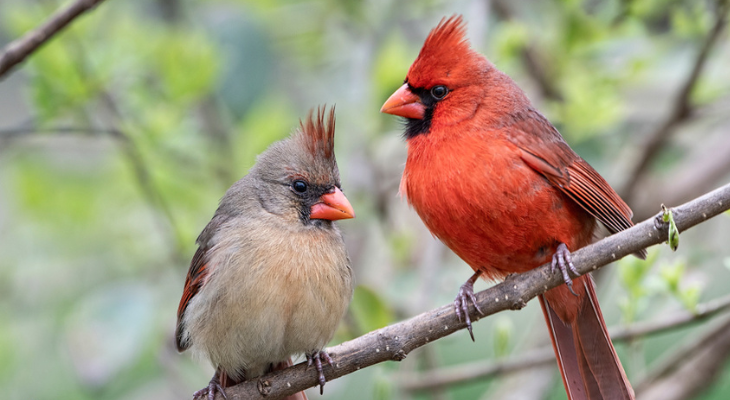
Mated pair of northern cardinals

Don't Forget to Celebrate National Bird Day on January 5

Since birds far outnumber humans, it only makes sense to declare an annual day in their honor. National Bird Day is dedicated to improving conditions for wild birds, while also focusing on the needs of pet birds. If you're wondering what you can do to celebrate these feathered creatures, we have a few suggestions for you.

Take Up Birdwatching

No matter where you live in the U.S., you'll find plenty of birds to observe. In fact, 200 to 400 billion birds make their home on earth, according to the American Museum of Natural History, while the human population numbers only 5 billion. Identifying birds in their natural habitats and observing their behaviors offers hours of fun for the entire family.

Not sure which bird is which? Buy a bird identification book or check out the National Audubon Society's online guide to North American birds. The guide offers photographs and information about nesting, habitats, diet, feeding behavior, and egg identification.

Support Conservation Efforts

Bird populations are declining throughout the world, due to the effects of pollution, destruction of habitats, and climate change. By the year 2100, the American Museum of Natural History estimates that 14% of bird species will be extinct. Declining bird populations have an effect on all of us. Birds help us by:

  • Eating Pests and Weeds
  • Spreading Seeds That Support the Growth of Plant Life
  • Pollinating Plants (Some Species)
  • Fertilizing Soil and Marine Ecosystems with Their Droppings
  • Preventing the Spread of Disease by Eating Animal Carcasses (Vultures)

Birds also offer important clues about the state of the environment. If the bird population suddenly decreases in a certain area, toxins that could also threaten human life may be present. Monitoring bird populations is a simple way to identify potential problems before they cause widespread environmental issues.

Wondering how you can help birds? Try a few of these tips:

  • Use Fewer Plastic Products. Birds aren't picky when choosing their next meal. A piece of plastic looks just as tasty as berries or insects. Unfortunately, plastic fills up a bird's stomach, limiting the amount of healthy food it can eat. If a bird eats too much plastic, it may eventually starve to death. Eating plastic may also affect a bird's physical development. Seabirds that eat plastic have smaller bodies and shorter wings and bills, according to Ocean Blue Project.
  • Add Bird-Friendly Plants to Your Landscape. Create a backyard haven for native birds by including plants they eat or use to build nests in your yard or garden. You can find the types of plants that draw the birds in your area in a bird identification guide.
  • Make a Change to Your Coffee Habit. Follow the Cornell Lab of Ornithology's recommendation and buy coffee that's certified bird-friendly. Bird-friendly coffee is grown on coffee plantations that offer a winter habitat for migrating birds. The Smithsonian's National Zoo & Conservation Biology Institute offers list of retailers that sell the coffee.
  • Keep Your Cats Inside. Cats kill birds and contribute to the declining bird population.

Visit a Zoo or Aviary

Zoos and aviaries offer the chance to view birds that you wouldn't normally see in your area. Employees at these educational institutions can offer a wealth of information about the birds' habits, special characteristics, natural habitats and typical diet. In between visits, learn more about your favorite species by watching online videos or checking out books from the library.

Protect Your Pet Bird's Health

Do you know the signs that may mean that your bird is ill? Signs of illness in birds can include:

  • Reduced Activity Level
  • Disinterest in Food and Water
  • Weight Loss
  • Vomiting
  • Behavior Changes
  • Ruffled Feathers
  • Sleeping More Than Usual
  • Sneezing
  • Nasal or Eye Discharge
  • Red Eyes
  • Singing Less
  • Wheezing or Clicking When Breathing
  • Balance Problems

If you notice any of these or other health problems, it's time to take your pet to the veterinarian. In addition to treating the illness, the veterinarian can recommend changes that may help your pet from becoming ill again.

Regular visits to the veterinarian help protect your pet's health, whether you have a bird, dog, cat, or small animal. Give us a call to schedule your pet's appointment.

Sources:

American Museum of Natural History: About How Big Is the Bird Population? Has It Gone Down Because of Global Warming or Pollution?

https://www.amnh.org/explore/ology/earth/ask-a-scientist-about-our-environment/how-big-is-the-bird-population

National Audubon Society: Guide to North American Birds

https://www.audubon.org/bird-guide

Ocean Blue Project: The Effects of Plastic Pollution on Seabirds

https://oceanblueproject.org/the-effects-of-plastic-p-on-seabirds

The Cornell Lab of Ornithology: 10 Ways to Help Birds

https://www.birds.cornell.edu/home/get-involved/10-ways-to-help-birds/

Smithsonian's National Zoo & Conservation Biology Institute: Where to Buy Bird-Friendly Coffee

https://nationalzoo.si.edu/migratory-birds/where-buy-bird-friendly-coffee

Merck Manual: Signs of Illness in Pet Birds, 10/2022

https://www.merckvetmanual.com/bird-owners/routine-care-and-breeding-of-birds/signs-of-illness-in-pet-birds

  • Pet Health
    • Chronic Conditions
    • Digestive and Oral Health
    • Diseases and Viruses
    • Pests and Parasites
    • Orthopedics
  • Today's Veterinarian
  • Choosing Your Pet
    • Finding Your Pet
    • Cats
    • Dogs
    • Exotics
      • Amphibians
      • Birds
      • Reptiles
        • Lizards
        • Turtles
    • Small Mammals
      • Ferrets
      • Rabbits
      • Domesticated Animals
        • Prairie Dogs
      • Pocket Pets
        • Chinchillas
        • Guinea Pigs
        • Hamsters
        • Hedgehogs
        • Rats
    • Livestock
      • Cows
      • Donkeys, Horses & Mules
      • Goats
      • Pigs
      • Poultry
      • Sheep
  • Living With Your Pet
    • Bringing Your Pet Home
    • Children and Pets
    • Providing Care
    • Travel
    • Saying Goodbye
  • Newsletter Library
    • Cats
    • Tips for Pet Owners
    • Behavior & Training
    • Fleas & Parasites
    • Keeping Pets Healthy
    • Recognizing Illness
    • Nutrition & Food
    • Pet Dangers
    • Seasonal Topics
    • Visiting the Vet
    • Equine
    • Newsletter Archive
      • Fun with Pets
      • Unbelievable Pets
  • Video Newsroom
    • Health Topics
    • Technology and Science
    • Other Interests
  • Newsletter Library
  • Client Survey
  • Pets4Kids
Help protect your furry ones with Bravecto and Tri-Heart plus. Call to schedule an appointment today!

Featured Links

  • Services

    We strive to provide complete care for our patients. Learn more about all the services we provide.
  • Make An Appointment

    We will do our best to accommodate your busy schedule. Schedule an appointment today!
  • Online Forms

    Our patient forms are available online so they can be completed in the convenience of your own home or office.

Office Hours

Critter Clinic

Monday:

7:30 am-6:00 pm

Tuesday:

7:30 am-6:00 pm

Wednesday:

7:30 am-6:00 pm

Thursday:

7:30 am-6:00 pm

Friday:

7:30 am-6:00 pm

Saturday:

9:00 am-12:00 pm

Sunday:

Closed

Location

Find us on the map

Testimonial

  • "Testimonials coming soon..."

Featured Articles

Read about interesting topics

  • March Newsletter: How to Keep Your Cat Safe When Outdoors

    Wondering how your cat can safely spend time outdoors? ...

    Read More
  • March Newsletter: How to Choose Safe Blankets for Pets

    Do you know how to pick a safe blanket for your pet? ...

    Read More
  • February Newsletter: How to Reduce Dental Anxiety in Pets

    Does your pet hate toothbrushing? These tips could reduce dental anxiety. ...

    Read More
  • February Newsletter: How to Safely Change Your Cat’s Food

    Buying a new food for your cat? Find out how to switch foods safely. ...

    Read More
  • January Newsletter: Signs Your Pet Needs a Wellness Exam

    Does your pet need a wellness exam? ...

    Read More
  • January Newsletter: How Your Veterinarian Can Help If Your Pet Ingests Something Toxic

    Has your pet eaten something it shouldn't have? Find out how your vet can help. ...

    Read More
  • December Newsletter: Signs Your Pet Needs a Professional Cleaning

    Do you know when your pet needs a professional cleaning? ...

    Read More
  • December Newsletter: Simple Ways to Keep Your Home Flea-Free for Your Pet’s Well-being

    Never want to see another flea again? Try these tips for a flea-free home. ...

    Read More
  • November Newsletter: The Importance of Bloodwork for Your Pet’s Health

    Wondering if your pet really needs bloodwork? Find out the benefits of blood tests for your furry friend. ...

    Read More
  • November Newsletter: Turkey Day Tips for Pet Owners

    Don't forget about your pet when making Turkey Day preparations. ...

    Read More

Request Appointment

Error!

    Anderson

    Veterinary Clinic

    Connect With Us

    No social media links found. Please configure it
    • Copyright © 2026 MH Sub I, LLC dba iMatrix.
    • Admin Log In
    • Site Map