Would you like to switch to the accessible version of this site?

Go to accessible site Close modal window

Don't need the accessible version of this site?

Hide the accessibility button Close modal window
Accessibility View Close toolbar
Menu
  • Home
  • Patient Center
    • Online Forms
    • Veterinary Resources
  • About Us
    • What To Expect
    • Meet Our Doctors
    • Payment Options
  • Services
    • Dental Care
    • Flea & Tick Prevention
    • Heartworm
    • Spay & Neuter
    • Vaccinations; Why We Give them
    • Weight Management
  • Contact Us
  • Sitemap
  • Veterinary Topics
    • Pet Health
      • Chronic Conditions
      • Digestive and Oral Health
      • Diseases and Viruses
      • Pests and Parasites
      • Orthopedics
    • Today's Veterinarian
    • Choosing Your Pet
      • Finding Your Pet
      • Cats
      • Dogs
      • Exotics
        • Amphibians
        • Birds
        • Reptiles
          • Lizards
          • Turtles
      • Small Mammals
        • Ferrets
        • Rabbits
        • Domesticated Animals
          • Prairie Dogs
        • Pocket Pets
          • Chinchillas
          • Guinea Pigs
          • Hamsters
          • Hedgehogs
          • Rats
      • Livestock
        • Cows
        • Donkeys, Horses & Mules
        • Goats
        • Pigs
        • Poultry
        • Sheep
    • Living With Your Pet
      • Bringing Your Pet Home
      • Children and Pets
      • Providing Care
      • Travel
      • Saying Goodbye
    • Newsletter Library
      • Cats
      • Tips for Pet Owners
      • Behavior & Training
      • Fleas & Parasites
      • Keeping Pets Healthy
      • Recognizing Illness
      • Nutrition & Food
      • Pet Dangers
      • Seasonal Topics
      • Visiting the Vet
      • Equine
      • Newsletter Archive
        • Fun with Pets
        • Unbelievable Pets
    • Video Newsroom
      • Health Topics
      • Technology and Science
      • Other Interests
    • Newsletter Library
    • Client Survey
    • Pets4Kids
  • Online Store
    • Pharmacy Policy

10534 W. Ustick Rd...

Boise, ID 83704 USA

(208) 323-1210

  • Home >
  • Articles >
  • Newsletter Library >
  • Nutrition & Food >
  • Most Common Digestive Issues in Dogs and How to Relieve Them

Most Common Digestive Issues in Dogs and How to Relieve Them

  • Created in Newsletter Library, Nutrition & Food

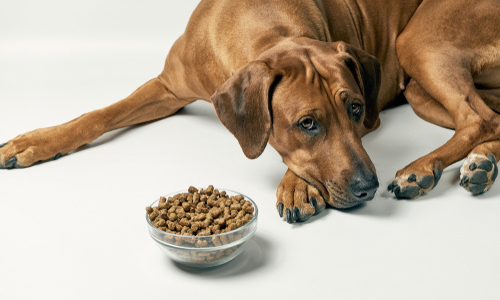
Dog with upset stomach avoiding food

Common Digestive Issues Your Dog May Experience

Diarrhea, constipation, vomiting, and other digestive problems can make your dog one unhappy pooch. Identifying the cause of your pet's problem is the first step in helping your pet feel better.

These Digestive Problems May Affect Your Dog

You probably wouldn't be surprised to learn that digestive issues are a frequent reason for veterinary visits. Given their interest in eating anything that remotely resembles food, it's only natural that dogs might develop a digestive problem or two.

Five digestive issues are most common in dogs, according to researchers at Cairo University. They include vomiting, diarrhea, vomiting and diarrhea together, lack of appetite, and constipation.

Common Causes of Digestive Problems

The most common reasons dogs develop digestive symptoms are:

Food Allergies

A food allergy could be to blame if your dog is vomiting and has diarrhea. Food allergy symptoms may also include skin infections or itchy ears or eyes. Chicken, beef, dairy, and eggs are the most common food allergens for dogs, according to the Cummings Veterinary Medical Center at Tufts University.

Remedy: Your veterinarian may recommend an elimination diet if he or she suspects a food allergy. During the diet, you'll feed your dog a type of food that it's never had before, then gradually add back the foods that might be causing the allergies. If one type of food is the culprit, your pet will develop the symptoms again. Once you've identified the allergen, you can change your pet's diet.

Eating an Off-Limits Food or Object

Chocolate, caffeine, grapes, raisins, onions, nuts, coconut, yeast doughs, household cleaners, and other products can cause digestive issues or make your pet dangerously ill.

Remedy. Call your veterinarian if you suspect that your dog ate something it shouldn't have. If your dog overindulged in a harmless snack from the trash can, chances are it will feel better once the food passes through its digestive tract. Get in touch with the vet immediately if you're not sure what your pet ate, if you don't know if the food is harmful, or if your pet vomits, has frequent diarrhea, struggles to breathe, coughs, gags or shakes.

Stress

Stress disrupts your pet's sensitive digestive system and may be a factor in diarrhea. Any change in your dog's environment could trigger stress, from your son heading off to college, to the introduction of a new pet, or even separation anxiety.

Remedy. Treating stress-related diarrhea involves identifying the stressor and making a few changes in your pet's life. The pressure of a Thundershirt or calming coat may help reduce stress and anxiety. Other options include anti-anxiety medication, slowly desensitizing your pet to the stressor, behavior therapy, or increased socialization.

Lack of Fiber

Foods that contain fiber, such as oats, bran, and rice, moisten stools and help them pass through your pet's large intestine easily. If your dog's food doesn't contain enough fiber, constipation may become a problem.

Remedy. Choosing a pet food with a higher fiber content may be a simple solution if your dog's constipation is related to a lack of fiber.

Dietary Changes

It can take a while for your dog to get used to a new type of food. Until then, your pet is more likely to experience diarrhea or constipation, or even avoid eating if it doesn't like the new food.

Remedy. A gradual introduction of any type of new food will help prevent diarrhea or constipation. Continuing digestive problems may mean that the food isn't a good choice for your pet.

Illnesses and Diseases

Infections, illnesses, diseases, worms, obstructions, and tumors can also be responsible for vomiting, diarrhea, constipation, or lack of interest in food.

Remedy. Since it's often difficult to tell why your dog is experiencing digestive problems, it's important to visit the veterinarian if symptoms continue longer than a day or two. If digestive issues are caused by an underlying health problem, treating the problem may ease your pet's discomfort.

Give us a call right away if you notice any changes in your dog's digestive health. Prompt treatment will help your dog recover more quickly and reduce the risk of complications if your dog has a serious disease or condition.

Sources:

Cummings Veterinary Medical Center at Tufts University: What Every Pet Owner Should Know About Food Allergies, 1/27/17

American Kennel Club: Understanding, Preventing, and Treating Dog Anxiety, 1/15/21

Merck Veterinary Manual: Introduction to Digestive Disorders of Dogs, 5/18

Veterinary World: Prevalence of Common Canine Digestive Problems Compared with Other Health Problems in Teaching Veterinary Hospital, Faculty of Veterinary Medicine, Cairo University, Egypt, 3/15

American Kennel Club: A Survival Guide for Dog Diarrhea, 9/17/20

  • Pet Health
    • Chronic Conditions
    • Digestive and Oral Health
    • Diseases and Viruses
    • Pests and Parasites
    • Orthopedics
  • Today's Veterinarian
  • Choosing Your Pet
    • Finding Your Pet
    • Cats
    • Dogs
    • Exotics
      • Amphibians
      • Birds
      • Reptiles
        • Lizards
        • Turtles
    • Small Mammals
      • Ferrets
      • Rabbits
      • Domesticated Animals
        • Prairie Dogs
      • Pocket Pets
        • Chinchillas
        • Guinea Pigs
        • Hamsters
        • Hedgehogs
        • Rats
    • Livestock
      • Cows
      • Donkeys, Horses & Mules
      • Goats
      • Pigs
      • Poultry
      • Sheep
  • Living With Your Pet
    • Bringing Your Pet Home
    • Children and Pets
    • Providing Care
    • Travel
    • Saying Goodbye
  • Newsletter Library
    • Cats
    • Tips for Pet Owners
    • Behavior & Training
    • Fleas & Parasites
    • Keeping Pets Healthy
    • Recognizing Illness
    • Nutrition & Food
    • Pet Dangers
    • Seasonal Topics
    • Visiting the Vet
    • Equine
    • Newsletter Archive
      • Fun with Pets
      • Unbelievable Pets
  • Video Newsroom
    • Health Topics
    • Technology and Science
    • Other Interests
  • Newsletter Library
  • Client Survey
  • Pets4Kids
Help protect your furry ones with Bravecto and Tri-Heart plus. Call to schedule an appointment today!

Featured Links

  • Services

    We strive to provide complete care for our patients. Learn more about all the services we provide.
  • Make An Appointment

    We will do our best to accommodate your busy schedule. Schedule an appointment today!
  • Online Forms

    Our patient forms are available online so they can be completed in the convenience of your own home or office.

Office Hours

Critter Clinic

Monday:

7:30 am-6:00 pm

Tuesday:

7:30 am-6:00 pm

Wednesday:

7:30 am-6:00 pm

Thursday:

7:30 am-6:00 pm

Friday:

7:30 am-6:00 pm

Saturday:

9:00 am-12:00 pm

Sunday:

Closed

Location

Find us on the map

Testimonial

  • "Testimonials coming soon..."

Featured Articles

Read about interesting topics

  • March Newsletter: How to Keep Your Cat Safe When Outdoors

    Wondering how your cat can safely spend time outdoors? ...

    Read More
  • March Newsletter: How to Choose Safe Blankets for Pets

    Do you know how to pick a safe blanket for your pet? ...

    Read More
  • February Newsletter: How to Reduce Dental Anxiety in Pets

    Does your pet hate toothbrushing? These tips could reduce dental anxiety. ...

    Read More
  • February Newsletter: How to Safely Change Your Cat’s Food

    Buying a new food for your cat? Find out how to switch foods safely. ...

    Read More
  • January Newsletter: Signs Your Pet Needs a Wellness Exam

    Does your pet need a wellness exam? ...

    Read More
  • January Newsletter: How Your Veterinarian Can Help If Your Pet Ingests Something Toxic

    Has your pet eaten something it shouldn't have? Find out how your vet can help. ...

    Read More
  • December Newsletter: Signs Your Pet Needs a Professional Cleaning

    Do you know when your pet needs a professional cleaning? ...

    Read More
  • December Newsletter: Simple Ways to Keep Your Home Flea-Free for Your Pet’s Well-being

    Never want to see another flea again? Try these tips for a flea-free home. ...

    Read More
  • November Newsletter: The Importance of Bloodwork for Your Pet’s Health

    Wondering if your pet really needs bloodwork? Find out the benefits of blood tests for your furry friend. ...

    Read More
  • November Newsletter: Turkey Day Tips for Pet Owners

    Don't forget about your pet when making Turkey Day preparations. ...

    Read More

Request Appointment

Error!

    Anderson

    Veterinary Clinic

    Connect With Us

    No social media links found. Please configure it
    • Copyright © 2026 MH Sub I, LLC dba iMatrix.
    • Admin Log In
    • Site Map